How to Fall Asleep Faster Naturally: My Calm Night Routine
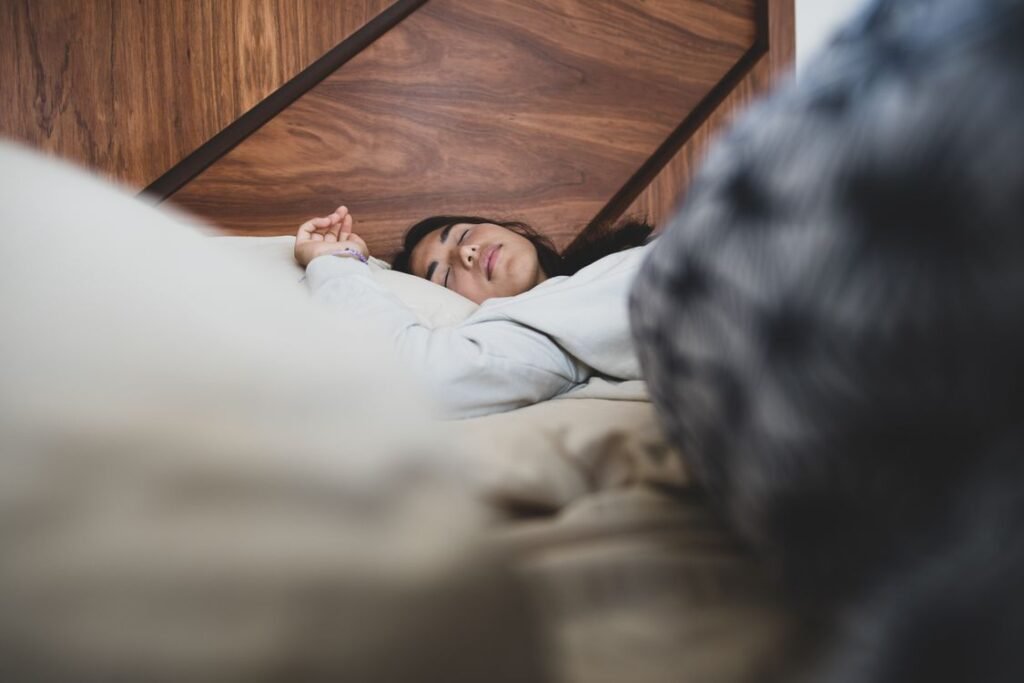
For years, falling asleep felt like a chore I was bad at. I would lie in bed replaying conversations, checking the clock, and doing the math on how little sleep I would get if I drifted off right then. Learning how to fall asleep faster naturally changed that for me, because I stopped treating bedtime like a deadline and started treating it like a wind-down I actually enjoyed.
In this guide, I will share the calm night routine I use now, the bedroom changes that made the biggest difference, and the small daytime habits that quietly made my evenings easier. If you have ever searched for how to fall asleep faster naturally and felt overwhelmed by conflicting advice, this is the simple version I wish I had found first.
Table of Contents
Why I Could Not Fall Asleep Quickly
My problem was never that I was not tired. I would yawn through the evening, feel heavy-eyed on the sofa, and then wake right up the moment my head hit the pillow. The quiet of the bedroom gave my brain an empty stage, and it filled it with everything I had put off thinking about during the day: an awkward email, a bill I had not paid, a conversation I wished had gone differently.
The other problem was my phone. I told myself I was just checking one message, but the bright screen and the endless feed kept my mind alert long after I put it down. I also drank coffee later than I admitted to myself, sometimes as late as five in the afternoon, and I wondered why I felt wired at eleven. Once I saw those patterns clearly, I knew that learning how to fall asleep faster naturally would mean changing my evenings, not just my bedtime.
My Evening Wind-Down Starts Early
I used to keep my evenings bright, busy, and loud until the moment I got into bed, and then I expected sleep to arrive on command. Now I start winding down about an hour before bed, and the change is simple: I dim the lights in the living room, I put my phone on charge outside the bedroom, and I switch from news and social media to something calm, like a paperback or a quiet podcast. That hour tells my brain the day is ending, and it is the single biggest reason I now fall asleep faster.
I also keep the same wind-down steps in the same order every night. I change into sleep clothes, wash my face, make a small cup of herbal tea, and read for fifteen minutes. The repetition matters more than any single step, because my body has learned that this sequence means sleep is next. That steady sequence is the heart of how to fall asleep faster naturally for me, and on nights when I skip it, I notice the difference right away.
The Bedroom Changes That Made the Biggest Difference
My bedroom used to work against me. It was warm, a streetlight leaked through thin curtains, and my phone charger sat right next to my pillow, glowing all night. I fixed those three things first: I turned the heating down so the room felt cool, I hung thicker curtains, and I moved the charger to the hallway. The room finally felt like a place for sleeping, not just another room with a bed in it.
I also took my laptop and the television out of the bedroom, and I stopped working from bed during the day. The Sleep Foundation’s sleep hygiene guide explains the same ideas I landed on by trial and error, including keeping a regular schedule, dimming lights before bed, and keeping the bedroom cool and dark. My own experience matched that advice: once my bedroom was cool and dark, I stopped waking up as often during the night.
What I Do When My Mind Will Not Switch Off
Some nights my mind still races, even with a good routine. When that happens, I do not lie there fighting it, because that only makes me more awake. Instead, I get up, go to another room, and read something dull under a low light until my eyes feel heavy, usually ten or fifteen minutes. Then I go back to bed. It feels strange to leave a warm bed, but it breaks the cycle of tossing and worrying.
I also keep a small notebook by my bed for the thoughts that will not wait until morning. If a task or worry pops up, I write one line about it and tell myself I will deal with it tomorrow. That tiny act gets it out of my head and onto paper, and it has saved me from many long nights of mental replays. That notebook habit is a small part of how to fall asleep faster naturally that I almost skipped, and on the nights I use it, I usually fall asleep within minutes of putting the notebook down.
Food, Drink, and Movement: Small Choices That Helped
What I eat and drink during the day changed my nights more than I expected. I moved my last coffee to before noon, because caffeine stayed in my system longer than I wanted to admit, and I stopped drinking alcohol in the evening after noticing it made me fall asleep quickly but wake up at three in the morning. Cutting back on late caffeine was the first change in how to fall asleep faster naturally that actually showed results within days. I also eat a lighter dinner now, and I stopped having big, spicy meals right before bed.
Movement helped too, but the timing mattered. A walk or a workout earlier in the day left me pleasantly tired by evening, while hard exercise late at night left me buzzing. I also started planning my meals for the week, and reading about meal prep for beginners gave me a simple way to keep dinners light and early instead of cooking a heavy meal at nine o’clock. These small choices did not feel dramatic on their own, but together they made my evenings calmer.
My Calm Night Routine, Step by Step
Here is the routine I follow most nights, in order. About an hour before bed, I dim the lights and put my phone on charge outside the bedroom. I make a cup of herbal tea, change into sleep clothes, and wash my face. Then I read for fifteen minutes, write down anything on my mind in my notebook, and get into a cool, dark bed. The whole thing takes about half an hour, and it is the clearest signal I can give my body that sleep is coming.
The best part is that this routine is flexible, not strict. If I am out late or travelling, I keep just three pieces: dim lights, no phone in bed, and a few pages of reading. Those three alone are enough to tell my brain what comes next. Once you find your own version of this wind-down, you will notice that learning how to fall asleep faster naturally is less about forcing sleep and more about making room for it.
Final Thoughts: Sleep Comes Easier Now
I still have the odd restless night, and that is normal. The difference is that bad nights are now rare, and I no longer dread bedtime. My evenings feel calmer, my mornings feel clearer, and I spend far less time watching the clock in the dark. The routine did not fix my sleep overnight, but it gave my body a pattern it could trust.
If your sleep feels broken right now, start with the easiest piece: dim the lights an hour before bed and keep your phone out of the bedroom for one week. Notice how you feel, then add the next small habit. Once you know how to fall asleep faster naturally in a way that fits your life, the whole night feels less like a struggle and more like a rest you actually look forward to.
How can I fall asleep faster naturally without medication?
The most reliable approach to how to fall asleep faster naturally, in my experience, is a consistent wind-down: dim lights an hour before bed, keep screens out of the bedroom, and follow the same calm steps each night. Most people notice a difference within a week or two, because the body learns to expect sleep at the same time.
How long should it take to fall asleep?
Most people fall asleep within ten to twenty minutes once they are in bed and relaxed. If it regularly takes much longer, that is usually a sign that your wind-down needs work, not that something is wrong with you. I found that dimming lights earlier and keeping a regular wake-up time brought my own time down steadily.
Does screen time keep you awake at night?
Yes, for me it did. The bright light and the endless feed kept my brain alert long after I put the phone down. Charging my phone outside the bedroom and switching to a paperback for the last hour before bed made the biggest difference to how quickly I drifted off.
What should I do if I cannot fall asleep after 20 minutes?
Get up and do something calm in low light, like reading a dull book, until you feel sleepy again. Lying in bed getting frustrated only trains your brain to link the bed with being awake. I go back to bed once my eyes feel heavy, and it usually works on the first try.