Best Humita en Chala Near Me: 7 Essential Tips for Great Food
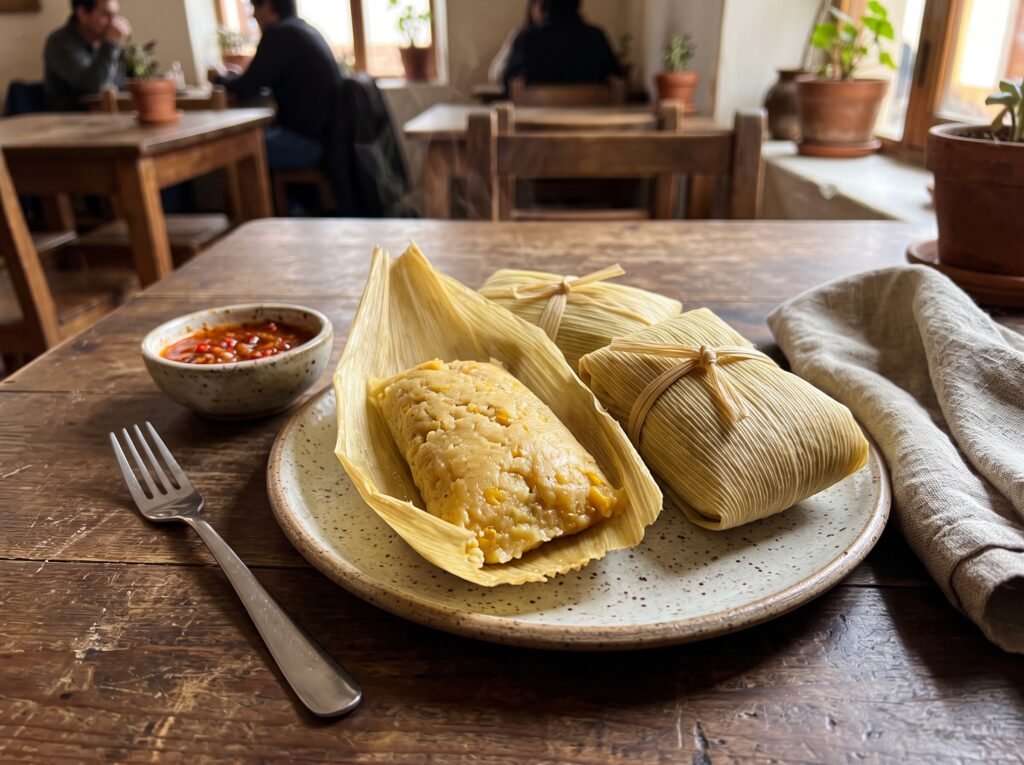
Searching for the best humita en chala near me? Start with nearby Argentine, Chilean, and Ecuadorian food businesses, then check that their humitas come wrapped in corn husks. Read recent comments about the dish itself and contact the kitchen to confirm availability before travelling or ordering. A restaurant serving a corn dish called “humita” may offer something different from the wrapped parcel you want.
Table of Contents
There is no single best nearby restaurant for every reader. The right choice depends on your town, the style you enjoy, your budget, and what the kitchen is serving today. Without a specific location, a list claiming to rank local restaurants would be misleading.
This guide helps you find suitable options in the UK, USA, or elsewhere, understand the menu, and choose your first order with more confidence.
What Is Humita en Chala?
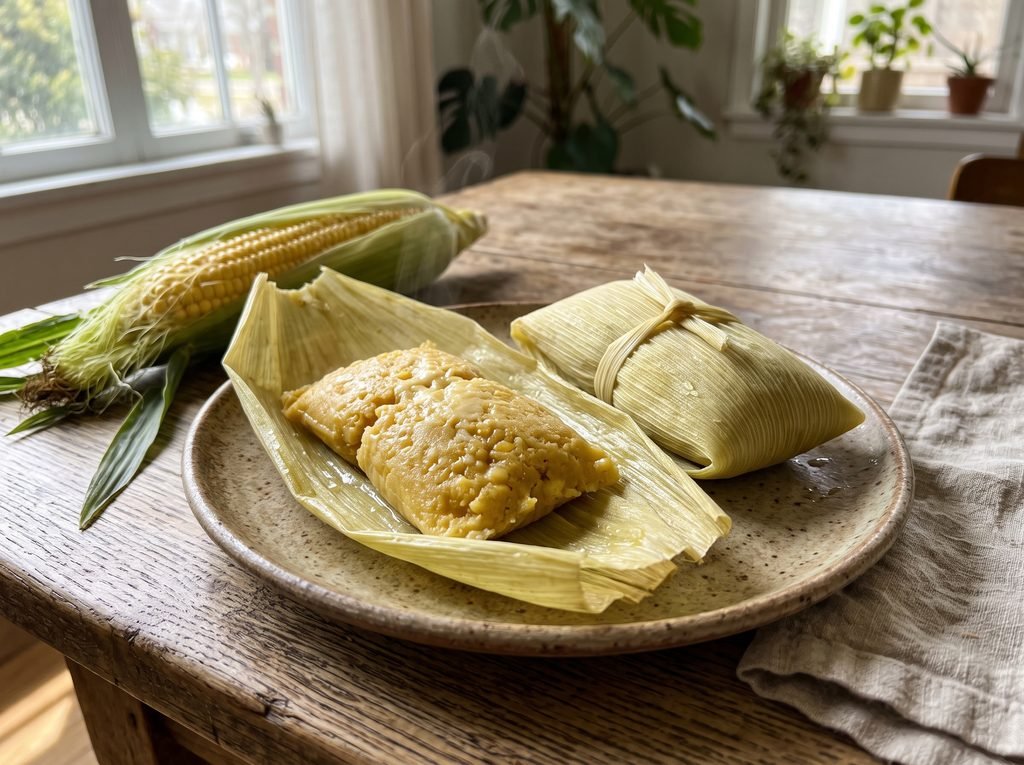
Humita en chala is a corn-based dish cooked inside corn husks. The filling uses ground or grated fresh corn, with other ingredients depending on the recipe. The husks form a parcel around the mixture while it cooks. Think of the husk as the wrapper: you open it to eat the filling.
Humitas belong to several South American food traditions. Recipes and names vary between countries and households, so there is no single ingredient list that describes every version. The distinction between humita cooked in a pot and humita wrapped in husks is particularly useful when reading Argentine menus. See this overview of humita and its regional forms.
For a concrete example, Ecuadorian recipe writer Layla Pujol makes steamed humitas with fresh corn, cheese, onion, garlic, eggs, and cream. Her recipe shows both the corn filling and the husk-wrapping process. Those ingredients describe her version, rather than a rule that all restaurants follow. Laylita’s humitas recipe.
For a first-time diner, the most useful question is simple: “Is this fresh corn filling cooked in a corn-husk parcel?” That checks the format without assuming that every kitchen uses the same recipe.
How to Find the Best Humita en Chala Near Me: 7 Practical Tips
1. Add Your Town, Neighbourhood, or Postcode
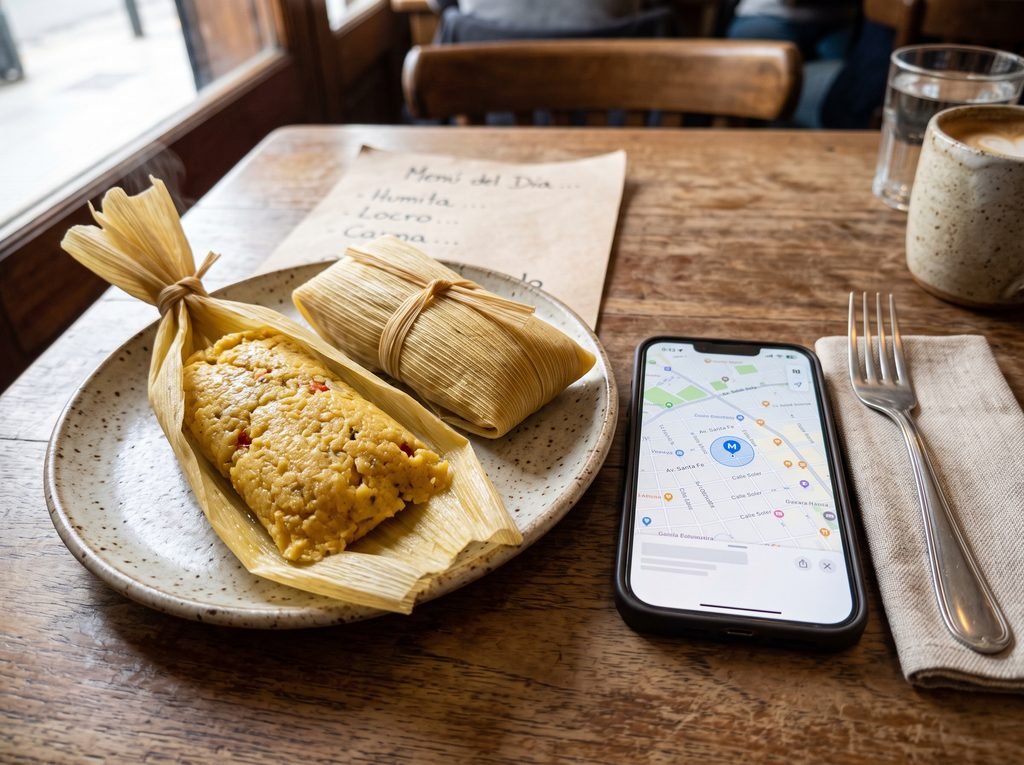
Start with “humita en chala” followed by your location. In the UK, use your town or postcode. In the USA, try your city, neighbourhood, or ZIP code. A specific place name gives you a clearer starting point than a broad national search.
If the exact phrase produces few useful results, try “humitas” with the same location. A business may use the shorter name even when it serves the wrapped version. You can also search for Argentine, Chilean, or Ecuadorian restaurants in the area and inspect their menus individually.
Useful searches include “humitas takeaway” plus your town, “humita en chala pickup” plus your neighbourhood, or “Ecuadorian cafe” plus your postcode. These are search suggestions, not claims that sellers exist in every area.
Set a realistic travel limit before comparing places. A restaurant across the city might suit a weekend meal but be impractical for a quick lunch. If you need delivery, enter your actual address before treating an option as available.
2. Confirm That the Menu Means the Wrapped Dish
Read beyond the word “humita.” Check the full description, its place on the menu, and any matching photograph. A pastry, a bowl of creamy corn, and a husk-wrapped parcel are different orders, even when their names overlap.
| Menu wording | What to check before ordering |
|---|---|
| Humita en chala | Confirm that it is a corn-husk parcel and ask about the filling. |
| Humitas | Ask whether they are wrapped and whether they are sweet or savoury. |
| Humita a la olla | This refers to a pot-prepared form; confirm how it is served. |
| Empanada de humita | Expect a pastry with a corn-based filling, rather than a corn-husk parcel. |
| Humita side dish | Ask about both the presentation and ingredients. |
The distinction is visible on a real UK menu. Omnino in London lists a humitas side made with sweet corn, bacon, and cheese. Its description does not establish that it is humita en chala. This is a menu-reading example, not a recommendation for the wrapped dish. Omnino’s official menu.
If the description leaves room for doubt, contact the business. A short question can prevent a disappointing order more effectively than guessing from a dish name.
3. Search Beyond Sit-Down Restaurants
Include cafes, specialist food shops, market traders, and caterers in your search. These are possible routes to investigate; their presence and stock will depend on your area.
A seller might offer hot food for immediate eating, chilled parcels to take home, or frozen packs. Decide which format you want before comparing results. A grocery product is not a direct substitute for a ready-to-eat lunch unless you have somewhere to prepare it.
For a market stall or pop-up, check the next trading date and exact location. A photograph from an earlier event does not confirm that the trader will be there this weekend. Use the business’s own recent announcements where possible.
For a caterer, ask whether individual orders are possible. Check any minimum quantity and required notice before planning around it. A large preorder may work well for a gathering but make little sense when you only want to try one portion.
4. Read Reviews About Humitas Specifically
A restaurant’s overall score is only a starting point. Comments about steak, coffee, or friendly service do not tell you much about its humitas. Look for reviews that name the dish and explain what the customer received.
Useful comments might describe the filling’s texture, sweetness, portion size, or whether the order matched the menu. Look at the date and any accompanying photographs. Several recent, detailed accounts are more informative than one old comment saying the food was “amazing.”
Keep taste preferences in mind. A person who dislikes sweet corn dishes may dislike a version you would enjoy. A complaint about sweetness becomes more useful when you know whether the customer ordered a sweet or savoury preparation.
Use reviews to identify questions, rather than treating them as proof. If several people mention small portions, ask how many parcels come with an order. If the comments disagree about the filling, confirm the current recipe with staff.
5. Ask About Style, Ingredients, and Preparation
Tell the kitchen what you are hoping to eat. You might want a savoury corn parcel with cheese, a version without dairy, or something similar to humitas you tried while travelling. Describing those preferences is more useful than asking whether the dish is simply “authentic.”
Regional and family differences matter. Cheese, seasoning, sweetness, and texture can vary. In her Ecuadorian recipe notes, Pujol also explains that differences between corn varieties affected the sweetness and consistency of her humitas when she made them in the USA. Laylita’s discussion of corn and recipe variations.
You can also ask whether the parcels are prepared in-house and whether your order will be served hot or supplied for reheating. These answers help set expectations. Preparation claims alone do not prove quality, so consider them alongside clear menu information and relevant customer feedback.
If ingredients matter for your diet, name them directly. Ask about milk, cheese, cream, butter, eggs, meat, and animal fat as relevant. Do not assume that a corn-based dish meets your needs simply because the menu does not mention every ingredient.
6. Compare the Full Order Cost
Check whether the price covers one parcel, several parcels, or a meal with sides. A lower menu price may mean a smaller portion. A more expensive listing may include enough food for a full meal.
For delivery, compare the final checkout amount for the same basket. Include any delivery charge, service fee, and minimum-order requirement shown before payment. For pickup, consider the travel involved as well as the food price.
There is no verified universal price range that would be useful across the UK, USA, and other countries. Compare current local prices in the relevant currency instead of relying on an old review or a price from another market.
As a hypothetical example, one seller might offer a single small parcel while another sells two with a side. Comparing the headline prices alone would hide the difference. Ask what comes with the order, then decide which portion fits your appetite and budget.
7. Confirm Availability Before You Travel
Once you have chosen a promising option, check that humitas are available for your intended meal. A published menu is a useful lead, but it does not prove that the kitchen has the dish ready today.
Confirm the branch, collection time, and whether you need to preorder. This is especially useful when you are making a special trip or ordering from a trader with limited opening days.
A brief enquiry can cover the important details: ask whether the seller has humitas wrapped in corn husks today, whether they are sweet or savoury, and how many come in a portion. Add ingredient questions if needed.
If staff cannot confirm availability, keep another option in mind. It is better to know that a dish needs advance notice than to discover it after arriving hungry.
What Should You Look for in a Good Humita?
“Best” is a personal judgement. Start by deciding what matters to you: a clear corn flavour, a softer filling, a firmer parcel, cheese, mild seasoning, or a particular regional style.
For your first order, choose a small portion if the seller offers one. Taste the filling before adding sauce so you can judge the corn, salt, sweetness, and seasoning. If you add a strong condiment immediately, it becomes harder to tell whether you enjoy the humita itself.
Consider whether the texture suits the style described by the kitchen. Do not judge every humita against the texture of a pastry or the particular tamal you already know. At the same time, you are free to prefer one preparation over another.
Clear communication also matters. A seller who can explain the ingredients, portion, and serving method makes it easier to order confidently. That does not establish a citywide ranking, but it helps you choose food that matches your expectations.
Once you find one you like, remember the details: the regional style, whether it contained cheese, and whether it was sweet or savoury. Those notes make future searches much easier than remembering only the restaurant’s star rating.
Searching in the UK, USA, and Other Countries
Finding Options in the UK
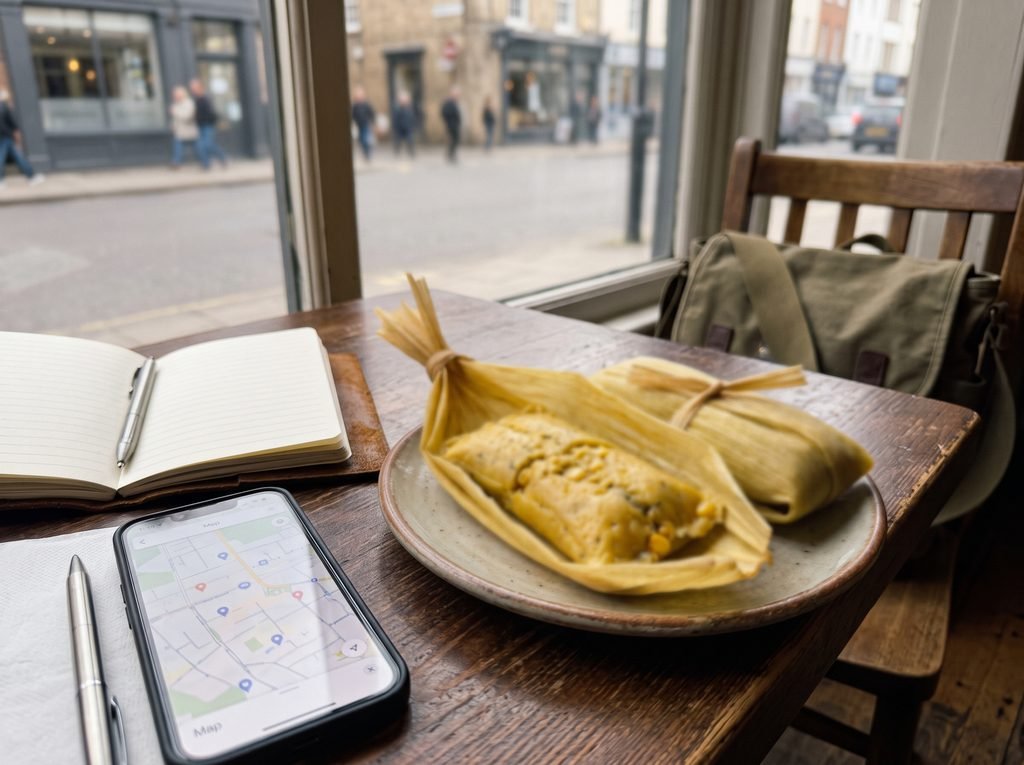
Use both “takeaway” and “collection” alongside the dish name. Search your town first, then a larger nearby area if you are willing to travel. Include specialist cafes and food traders rather than assuming an Argentine steakhouse will serve the parcel you want.
Read menus particularly carefully when humita appears in the sides section. The Omnino example shows why the word alone is not enough: its published description includes bacon and cheese, and does not confirm a husk-wrapped format. Omnino’s menu description.
For a first order, the strongest lead is a business that explicitly confirms the wrapped dish, provides ingredient information, and can supply it at a practical time. Treat an unclear menu as a reason to ask a question.
Finding Options in the USA
Search “humitas” with your city or ZIP code, then narrow by neighbourhood. Try “pickup” as well as “delivery,” and confirm the exact branch when a business has multiple locations.
You may also encounter English descriptions such as fresh corn cakes or fresh corn tamales. Read these as possible leads and confirm the ingredients and wrapper. A translated name alone does not establish that two dishes are the same.
If you are searching specifically for Argentine humita en chala, say so when contacting a seller. If you are happy to explore other regional humitas, explain the flavour and serving style you prefer instead. Both approaches can work, but they start from different expectations.
Searching Elsewhere
Combine the local place name with both “humita” and “humitas.” In Spanish-language searches, “en chala” helps specify the wrapped form. Adding “para llevar” can help express that you want takeaway food.
When travelling, use your actual neighbourhood or destination rather than relying only on “near me.” Check the travel route and trading hours before setting off. An appealing result is useful only if you can reach the seller when the food is available.
Common Ordering Mistakes to Avoid
The easiest mistake is ordering an empanada de humita when you wanted a corn-husk parcel. Read the category as well as the name: a listing under empanadas is telling you something important about the format.
Another mistake is assuming that humitas are always vegetarian or vegan. Recipes differ, and a menu can use the name for a dish with extra ingredients. Check the actual preparation rather than making a decision from the main ingredient.
If you need gluten-free food or have an allergy, ask the business about the full recipe and preparation process. Do not use this general guide as confirmation that a particular order is suitable. An incomplete menu description is not enough to settle that question.
Finally, avoid using “authentic” as the only test of quality. Ask which regional or family style the kitchen follows. A clear explanation of the dish tells you more than a broad promotional label and helps you decide whether it matches the version you want.
What If Nobody Nearby Sells It?
Widen your search only as far as you are willing to travel. Check whether a relevant seller offers occasional preorders, market appearances, or a frozen product. Ask directly rather than assuming that something absent from an online menu can be made on request.
If you choose packaged humitas, read the product description and preparation instructions before buying. Confirm whether the item is cooked, what equipment you need, and how it must be stored. Follow the seller’s or manufacturer’s instructions for that product.
You can also try making humitas at home using a clearly documented regional recipe. This is a different solution from finding a restaurant, but it may be more practical than a long journey. Choose a recipe that explains both the filling and the wrapping process.
If you settle for a different corn dish, make that an informed choice. A creamy corn side or corn-filled empanada may be enjoyable, but understanding the difference prevents an avoidable mismatch between your order and your expectations.
Frequently Asked Questions
Do You Eat the Corn Husk?
No. Open the husk and eat the filling inside, leaving the wrapper aside. Take care when opening a hot parcel, since steam can escape.
Are Humitas Always Savoury?
No. Sweet and savoury forms exist, and recipes vary by place and household. Ask the seller which version it makes, especially if you want humitas as part of a savoury meal. Regional variations of humita.
Are Humitas the Same as Tamales?
They can share a wrapped format, but the names do not describe one identical dish. Humitas use fresh corn, while tamales include many regional preparations. For ordering, ask about the actual filling and method instead of treating the terms as interchangeable. Humita overview.
Can You Order Humitas for Breakfast?
Yes, where a seller offers them at that time. Pujol describes humitas as a breakfast or afternoon-coffee food in Ecuador’s highlands. Check the business’s serving hours rather than assuming they are available throughout the day. Ecuadorian humitas and serving traditions.
Conclusion: Find the Right Parcel Before Choosing a Place
Finding the best humita en chala near me starts with confirming the dish, then comparing the local options that actually serve it. Use your town or postcode, read the full menu description, check relevant recent feedback, and ask about the ingredients and portion size.
Choose two promising sellers and confirm today’s availability before making a special trip. Start with a small order, find the style you enjoy, and use that experience to guide your next search.