How to Layer Clothes for Winter: Stay Warm Without Looking Like a Marshmallow
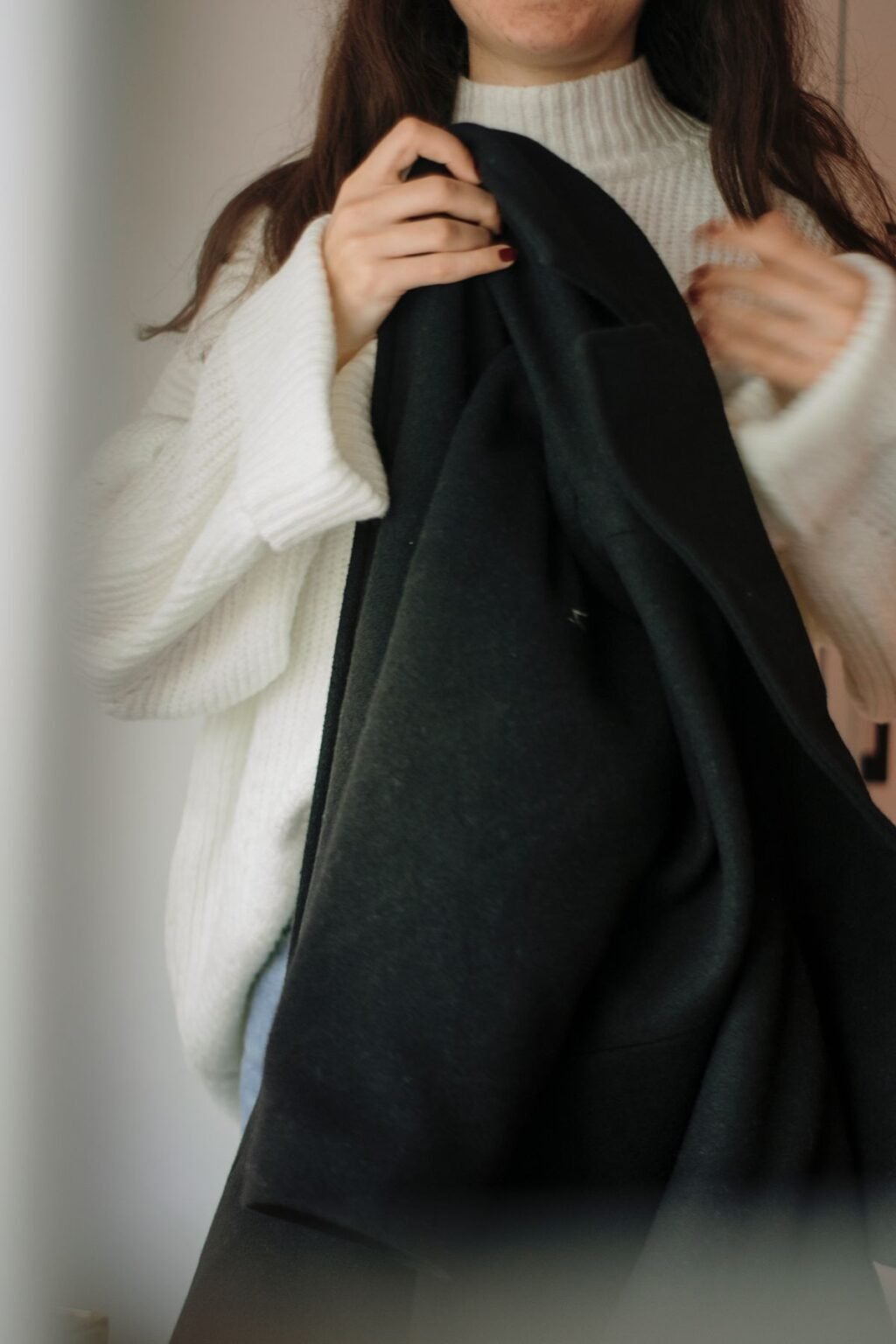
Learning how to layer clothes for winter changed the way I get through the cold months. For years, my winter strategy was simple: put on the biggest, thickest jumper I owned, add a heavy coat, and hope for the best. Some days I was freezing. Other days I was sweating on the bus, peeling layers off in a panic, and stuffing a jumper into a bag that was already full. I looked bulky, I felt uncomfortable, and I still got cold the moment the wind picked up.
Then a friend who spends her winters hiking in the mountains showed me her system, and it was embarrassingly simple. Winter warmth is not about one thick thing. It is about several thin things, each doing a different job. Once I understood how to layer clothes for winter properly, I stopped dreading cold mornings. I could walk to work in freezing rain and arrive warm and dry. I could sit in a draughty office without shivering, step outside for lunch without re-dressing, and — this is the part I care about most — I actually looked like myself instead of a walking duvet.
In this guide I will walk you through the three-layer system that outdoor experts have used for decades, adapted for everyday life rather than mountain expeditions. You will learn which fabrics actually keep you warm, how to layer without looking bulky, and the mistakes I made so you do not have to. You do not need expensive technical gear. Most of what you need is probably already in your wardrobe.
Table of Contents
The Three-Layer System: The Foundation of Winter Dressing
Every good winter outfit is built on the same three layers, and each one has a job. The base layer sits against your skin and manages moisture. The mid layer traps warm air and insulates you. The outer layer blocks wind and rain. When all three do their jobs, you stay warm in weather that would defeat any single thick coat.
Think of it like a house. The base layer is the plumbing — it moves moisture away from your skin so you do not get cold and clammy. The mid layer is the insulation in the walls — it holds the warmth your body produces. The outer layer is the roof — it keeps the weather out. Take away any one of them and the whole system gets weaker.
The beauty of the system is that it is adjustable. Going from a heated train to a freezing platform? Take off the mid layer or open the outer layer. Sitting in a cold office all day? Keep the base and mid layers on and skip the heavy coat indoors. You are not stuck with one outfit for the whole day, the way you are when your entire warmth strategy is a single enormous jumper.
Most people get layering wrong in the same way I did: they stack two or three thick, heavy items on top of each other. Three chunky knits do not make you three times warmer. They make you stiff, sweaty and uncomfortable, and the trapped sweat then makes you colder when you stop moving. Thin layers trap warm air between them, and that trapped air is what actually keeps you warm. It is the air, not the fabric, doing most of the work.
Choosing the Right Base Layer: It All Starts Against Your Skin
The base layer is the most underrated part of learning how to layer clothes for winter, and it is where most people go wrong first. Your body sweats even in cold weather — walking, climbing stairs, rushing for a bus — and if that moisture stays trapped against your skin, it cools you down fast. A good base layer pulls moisture away from your skin so it can evaporate. This is called wicking, and it matters more than most people realise.
Cotton is the worst choice for a base layer, and this was my biggest mistake for years. A cotton t-shirt feels soft and comfortable when you put it on, but cotton absorbs moisture and holds it. Once it gets damp from sweat, it stays damp, and damp cotton against your skin in cold weather is a recipe for shivering. The old outdoor saying is “cotton kills”, which sounds dramatic, but on a cold, wet day it is not far from the truth.
Merino wool is the gold standard for base layers. It wicks moisture, it stays warm even when it gets a little damp, and unlike regular wool it does not itch. A thin merino long-sleeve top is one of the best winter purchases I have ever made. It is light enough to wear under a shirt at work and warm enough to make a real difference on a freezing day. Synthetic base layers — the moisture-wicking tops sold for running and gym workouts — also work well and cost less, though they can hold smells more than wool.
You do not need a special thermal top to start. A fitted, thin long-sleeve top in a synthetic or wool-blend fabric does the job. The key word is fitted: a base layer should sit close to your skin so it can move moisture away. If it hangs loose, it cannot do its job. Tuck it in if you can — it stops cold air creeping up your back every time you bend over.
The Mid Layer: Where the Warmth Actually Lives
If the base layer manages moisture, the mid layer is where the warmth comes from. This is the insulating layer, and it works by trapping warm air close to your body. Fleece, wool jumpers, down vests and padded gilets all do this job well. This is the layer you adjust most often during the day, adding it or removing it as you move between indoors and outdoors.
A fleece is the workhorse of mid layers. It is light, it dries quickly, and it keeps insulating even if it gets a bit damp. A thin fleece under a coat adds more warmth than you would expect, and it packs down small in a bag when you do not need it. A wool jumper does the same job with more style — a fine-knit merino jumper under a coat looks smart enough for work while keeping you properly warm.
Down and synthetic padded jackets make excellent mid layers too, especially the thin, packable kind. I keep a lightweight padded gilet in my bag all winter. Worn under a coat it adds serious warmth to my core without making my arms bulky, and worn on its own over a jumper it is perfect for those in-between days when a full coat is too much.
Here is the rule I wish someone had told me years ago: your mid layer should be warmer than you think and thinner than you think. One good insulating layer beats two mediocre ones. If your mid layer is doing its job, you will feel warm within a few minutes of putting it on, and you will not need to pile on more.
The Outer Layer: Your Shield Against Wind and Rain
The outer layer has one main job: keep the weather out. Wind is the enemy in winter, because it strips away the warm air your mid layer has worked so hard to trap. A coat that blocks wind will keep you warmer than a thicker coat that lets the wind straight through. This is why a windproof shell over a fleece can feel warmer than a heavy wool coat on its own.
When you are choosing a winter coat, look for three things. First, wind resistance — the coat should not let a breeze through. Second, water resistance or waterproofing, because a wet coat stops insulating. Third, length and coverage — a coat that covers your hips keeps far more warmth in than a short jacket, and a hood is worth its weight in gold on a wet, windy day.
You do not need a technical mountaineering shell for everyday life. A good wool coat with a windproof lining, a waxed jacket, or a modern waterproof parka all work as outer layers. The trick is to leave room underneath. Your coat should fit comfortably over your base and mid layers without squeezing them flat. If your coat is so tight that it compresses your jumper, it is squeezing out the warm air your mid layer is supposed to trap, and you will actually be colder.
One more thing about outer layers: keep them closed. An unzipped coat in a cold wind is like leaving the front door open in a heated house. Zip it up, fasten the top button, and pull the hood up when it rains. It sounds obvious, but I spent years walking around with my coat half open because I thought it looked better, and then wondering why I was cold.
How to Layer Clothes for Winter Without Looking Bulky
This is the question everyone actually wants answered. The whole point of layering is staying warm, but nobody wants to look like they are wearing everything they own. The good news is that bulky layering is almost always a sign of the wrong fabrics and the wrong fit, not of layering itself.
The first rule is thin over thin. Three thin layers look slimmer than one thick jumper, and they keep you warmer. A thin merino base, a fine-knit jumper and a well-cut coat will look smarter than a chunky knit under a puffer, and you will be warmer too. If a layer is so thick that it changes the shape of the layer above it, it is too thick.
The second rule is to match the fit to the layer. Base layers should be close-fitting. Mid layers should be slim but not tight — they need room to trap air without billowing. Outer layers should be roomy enough to fit over everything else without squeezing. When each layer fits the way it is supposed to, the whole outfit looks intentional instead of accidental.
The third rule is to keep the colours and textures working together. Layers look deliberate when they share a colour family — different shades of the same colour, or neutrals like black, navy, grey and cream that sit happily together. A base layer that peeks out at the collar or cuffs in a colour that clashes with everything else is what makes an outfit look thrown together. I keep my base layers in black, white or grey for exactly this reason.
Finally, use the half-tuck and the open layer to your advantage. A jumper half-tucked into jeans, or a shirt left open over a thermal top, breaks up the bulk and shows that the layers are a choice, not an accident. And remember that you can take a layer off indoors. Looking bulky in a heated office is a choice — hang the coat up, take off the fleece, and let the base layer and a smart jumper do the work.
What to Wear on Your Legs and Feet
Winter layering stops at the waist for most people, and their legs pay the price. Your legs lose heat too, and cold legs make your whole body feel cold. If you are someone who is always cold, start from the bottom up.
Thermal leggings or long underwear under trousers are a quiet revolution. They add real warmth without changing how you look at all — nobody can see them, and modern ones are thin enough to wear under slim jeans. I wear them on every properly cold day, and they make more difference than any jumper I own. Wool-blend tights under a skirt or dress do the same job.
For footwear, the rule is the same as for the rest of your body: manage moisture, trap air, block weather. Warm socks matter more than expensive boots. Wool socks keep your feet warm even when they get damp, while cotton socks get cold and stay cold. Leave a little room in your boots — tight boots squeeze out the warm air around your feet and cut off circulation, which is why your toes go numb in shoes that fit perfectly in summer. Waterproof boots are worth the money if you walk anywhere in winter, because wet feet are cold feet, and cold feet make everything miserable.
Accessories That Actually Keep You Warm
Accessories are not decoration in winter. They cover the parts of your body that lose heat fastest, and a good hat, scarf and gloves can make the difference between comfortable and freezing, even with the same coat on.
You lose a surprising amount of heat from your head and neck, and a hat is the fastest way to feel warmer. A simple wool beanie that covers your ears will do more for your comfort than an extra jumper. A scarf does the same job for your neck and chest — tuck it into your coat to seal the gap where cold air sneaks in, rather than draping it loosely over the top.
Gloves matter more than most people think, because cold hands make your whole body feel cold. Leather gloves with a warm lining are the smartest choice if you want to look good, but any gloves beat bare hands. Keep a spare pair in your coat pocket, because wet gloves are worse than no gloves at all.
One accessory people forget is the humble snood or neck gaiter. It seals the gap between your coat and your chin, it can be pulled up over your face on a bitter day, and it never comes undone the way a scarf can. If you cycle or walk a long way in winter, it is the single most useful thing you can own.
Common Layering Mistakes I Made (So You Do Not Have To)
I made almost every layering mistake there is before I figured this out, so here is the honest list. First, wearing cotton as a base layer. I did it for years, and I was cold for years. Second, wearing three thick layers instead of three thin ones, which left me sweaty indoors and freezing outdoors. Third, buying a coat that only just fit over a t-shirt, so I could never actually layer under it.
Fourth, forgetting my legs entirely and then wondering why I was cold in a warm coat. Fifth, leaving my coat open because I thought it looked better — it did not, and I was freezing. Sixth, wearing tight boots that made my feet numb by ten in the morning. Seventh, and most embarrassing, owning a drawer full of jumpers but no proper base layer at all, which is like owning a roof with no walls.
The fix for all of these is the same: build from the skin outwards, choose thin layers over thick ones, and make sure every layer actually fits over the one beneath it. Get the system right once, and winter gets dramatically easier.
A Simple Winter Layering Formula for Any Day
If you want a formula you can use tomorrow morning without thinking, here it is. Cold but dry day, around freezing: merino or synthetic base layer, a fine-knit jumper, and your regular winter coat, plus a scarf and gloves. Wet and windy day: the same base and mid layers, but a waterproof outer layer and a hood up. Mild winter day, above five degrees: skip the thermal base, wear a shirt or light jumper under your coat, and carry a scarf in your bag just in case.
For the office, the formula is simpler still: base layer and a smart jumper indoors, coat and scarf for the journey. Nobody needs to see your thermal top, and nobody will know it is there — except you, sitting comfortably while everyone else complains about the heating.
And if you are planning a trip somewhere cold, the same system packs beautifully. Thin layers take up less space in a suitcase than one enormous coat, and they give you options when the weather changes. If you want the full packing side of this, my guide on how to pack for a winter trip covers exactly what to take and how to fit it all in one bag.
Conclusion
Learning how to layer clothes for winter is one of those small skills that pays you back every single cold day. It is not about buying expensive gear or owning a wardrobe full of technical clothing. It is about understanding that warmth comes from trapped air, that moisture is the enemy, and that three thin layers will always beat one thick one.
Start with a proper base layer, add one good insulating mid layer, and finish with a coat that actually blocks the wind. Keep your legs and feet warm, seal the gaps with a hat and scarf, and stop wearing cotton next to your skin. Do that, and you will be warmer, more comfortable, and better dressed than you have ever been in winter — and you will wonder why you spent so many years shivering in a single big jumper.
Winter is long, and it comes back every year. Get the layering right once, and every winter after this one gets easier.
How many layers should I wear in winter?
Three layers are the standard: a moisture-wicking base layer, an insulating mid layer, and a windproof and waterproof outer layer. You can add a second mid layer on extremely cold days, but three well-chosen layers are enough for most winter weather. Adjust by removing or adding the mid layer as you move between indoors and outdoors.
What is the best fabric for winter layering?
Merino wool is the best all-round choice for base layers because it wicks moisture, stays warm when damp, and does not itch. For mid layers, fleece and wool are both excellent insulators. Avoid cotton as a base layer because it absorbs sweat and stays wet, which makes you colder.
How do I layer clothes for winter without looking bulky?
Choose thin layers instead of thick ones, match the fit to each layer (close-fitting base, slim mid, roomy outer), and stick to one colour family so the layers look deliberate. A fine-knit jumper under a well-cut coat looks slimmer and warmer than a chunky knit under a puffer.
Should I wear a thermal under my clothes in winter?
Yes, on cold days a thermal base layer makes a real difference. A thin merino or synthetic long-sleeve top worn under your normal clothes adds warmth without changing how you look, and it keeps sweat away from your skin so you stay warm even when you are active.
What should I wear for winter walking?
Wear a moisture-wicking base layer, a fleece or wool mid layer, and a windproof, waterproof outer layer with a hood. Add thermal leggings under your trousers, wool socks, waterproof boots, a warm hat, gloves and a scarf. You can remove the mid layer if you warm up while walking.
Is it better to wear one thick coat or several layers?
Several layers are almost always better. Layers trap warm air between them, let you adjust your temperature during the day, and keep working even if one layer gets damp. One thick coat cannot be adjusted, and if you sweat in it, you stay cold and clammy.