How to Boil Eggs Perfectly: The Method That Finally Gave Me Easy-Peel Eggs
For years, my boiled eggs were a lottery. Sometimes they peeled in two clean pieces and looked like they belonged in a cookbook photo. More often, half the white came away with the shell, the yolk had a grey-green ring, and I stood at the sink picking tiny shell fragments off an egg I no longer even wanted to eat. Learning how to boil eggs perfectly turned out to be less about a secret ingredient and more about controlling three simple things: the starting temperature of the eggs, the cooking time, and the cooling. Get those right, and the same method works for soft, runny yolks, for jammy medium yolks, and for firm hard-boiled eggs that peel cleanly. In this guide, I will give you the exact method I use now, a timing chart for every yolk style, the peeling tricks that actually work, and the storage rules that keep a batch safe all week. If you batch-cook for meal prep for beginners, this is one of the most useful kitchen skills you can learn, because a dozen perfect eggs turns into breakfasts, salads, and snacks for days.
Table of Contents
Why Boiled Eggs Go Wrong
Most boiled egg problems have a simple cause, and knowing the cause makes the fix obvious. A grey-green ring around the yolk is not a sign the egg is bad — it happens when an egg is overcooked or cooled too slowly, and iron in the yolk reacts with sulphur in the white. Shorter cooking and a fast ice bath prevent it almost entirely. Eggs that refuse to peel are usually very fresh eggs, or eggs that were cooled too slowly. A very fresh egg has a small air pocket and a membrane that clings tightly to the white, so the shell takes white with it. Slightly older eggs — a week old or so — peel much more easily, because the air pocket has grown and the membrane has loosened. That is why the eggs you bought last week often peel better than the ones you bought yesterday. Cracked eggs in the pot are usually caused by a sudden temperature change: fridge-cold eggs dropped into violently boiling water expand quickly and crack. Starting eggs in cold water, or lowering them gently into simmering water with a spoon, avoids most cracks. And rubbery whites are simply overcooked whites — another reason to time the cook rather than guessing.
Choose the Right Eggs and Equipment
You do not need special equipment to boil eggs perfectly, but a few choices help. Use eggs that are at least a few days old if you can — check the date on the carton and use the older carton first for boiling, saving the freshest eggs for frying or poaching where peeling does not matter. Let fridge-cold eggs sit on the counter for ten to fifteen minutes before cooking, or warm them briefly under lukewarm water, so the temperature change is gentler. Use a saucepan that fits the eggs in a single layer, with a little room around each one. Crowding eggs into a small pot means they knock against each other, crack, and cook unevenly. You need a lid for the pot, a slotted spoon for moving eggs safely, and a large bowl of ice water for the ice bath — the ice bath is not optional if you want easy peeling and bright yolks. For peeling, all you need is a flat surface, a bowl of water, and your hands. Fancy egg peelers and gadgets exist, but I have never found one that beats the basic method below, and they all end up at the back of a drawer anyway.
How to Boil Eggs Perfectly: My Step-by-Step Method
Here is the method I use most weeks, for large eggs, starting from the fridge. It works for any batch size as long as the eggs fit in a single layer. First, place the eggs in a single layer in a saucepan and cover them with cold water, about an inch above the eggs. Put the pan on medium-high heat and bring the water to a full, rolling boil. As soon as it boils, turn the heat down slightly so the water is simmering rather than violently bubbling, and start your timer — or, if you prefer the off-heat method, remove the pan from the heat entirely, put the lid on, and start the timer. Both approaches work; the key is that you time it, every time. Second, when the timer goes off, move the eggs immediately with a slotted spoon into a large bowl of ice water, and leave them there for at least ten minutes. This stops the cooking instantly, prevents the grey ring, and helps the shell release from the white. Do not skip this step and do not just run the eggs under a tap for thirty seconds — a proper ice bath is what makes the difference. Third, peel the eggs under water or in the bowl of cold water. Tap the egg gently all over on a flat surface to crack the shell into small pieces, roll it lightly under your palm, and start peeling from the wide end, where the air pocket sits. Peeling under water helps the water get between the shell and the white, and the shell usually comes away in large pieces. If an egg resists, put it back in the water for a minute and try again rather than forcing it and tearing the white.
Timing Chart: Soft, Medium and Hard Yolks
Timing depends on egg size and whether the eggs started cold or at room temperature, so use this chart for large eggs and adjust by about a minute for medium or extra-large eggs. For a soft-boiled egg with a runny yolk and a just-set white, simmer for six minutes, or sit off-heat covered for six minutes. The white will be set but tender, and the yolk will flow when you cut into it — perfect for dipping toast soldiers into, or for ramen. For a jammy, medium egg — the kind with a soft, spoonable yolk that holds its shape — simmer for eight to nine minutes. This is my favourite for salads and grain bowls, because the yolk is creamy but does not run everywhere. For a fully hard-boiled egg with a firm, bright yellow yolk, simmer for eleven to twelve minutes, or sit off-heat covered for twelve to thirteen minutes. Any longer than that, and you risk the grey ring and a chalky yolk, even if the egg is still safe to eat. Remember that the ice bath stops the cooking, so an egg left in hot water after the timer will keep cooking whether you want it to or not. If you are using a steamer basket instead of boiling, the times are similar: about six minutes for soft, nine for medium, and thirteen for hard, with the same ice bath afterwards. Steaming is a good alternative if your eggs tend to crack in boiling water, because the eggs are not knocked around by bubbling water.
Peeling Tricks That Actually Work
Beyond the ice bath, a few peeling tricks are worth knowing, and a few popular ones are not. The tricks that work for me are: use slightly older eggs, cool fully in ice water, crack all over before peeling, start at the wide end, and peel under water. Together, they turn a frustrating job into a two-minute one. Adding baking soda or vinegar to the water is often recommended, and in my experience it helps only slightly, if at all. Baking soda raises the pH of the water, which in theory loosens the membrane, but the effect is small compared with using older eggs and a proper ice bath. It does no harm in small amounts, so you can try it, but do not expect it to rescue a batch of very fresh eggs on its own. What does not work, in my experience, is shaking eggs violently in a container to peel them. It sometimes works for a single egg, but it often cracks the white as well as the shell, and it makes a mess. Gentle rolling and peeling under water is slower by seconds and gives you a much prettier egg. For devilled eggs or eggs you want to present whole, that difference matters.
How to Store Boiled Eggs Safely
Food safety for boiled eggs is straightforward, and it is worth getting right because eggs are a food where guessing is not a good idea. Hard-boiled eggs, whether peeled or unpeeled, should be kept in the refrigerator and eaten within seven days, counting from the day you cooked them, not from the date on the carton. The US Department of Agriculture and food safety experts agree on this one-week window, and it applies whether the eggs are still in their shells or peeled. Keep unpeeled eggs until you need them, because the shell is a natural barrier that protects the white from bacteria and moisture loss. Store them in a covered container in the main part of the fridge, not in the door, where the temperature swings every time the door opens. Write the cooking date on the container or on a piece of tape on the lid, so you never have to guess how old a batch is. Peeled eggs are best eaten within a few days, and they should also be kept in a covered container in the fridge. If a peeled egg smells of sulphur, feels slimy, or has any discolouration on the white, throw it away — do not taste it to check. And never leave boiled eggs at room temperature for more than two hours, or one hour if the kitchen is very warm, because bacteria grow fastest at room temperature. For a full walkthrough with photos, this easy-peel boiled eggs guide is a useful reference to keep open the first time you try the method.
Using Your Perfect Eggs All Week
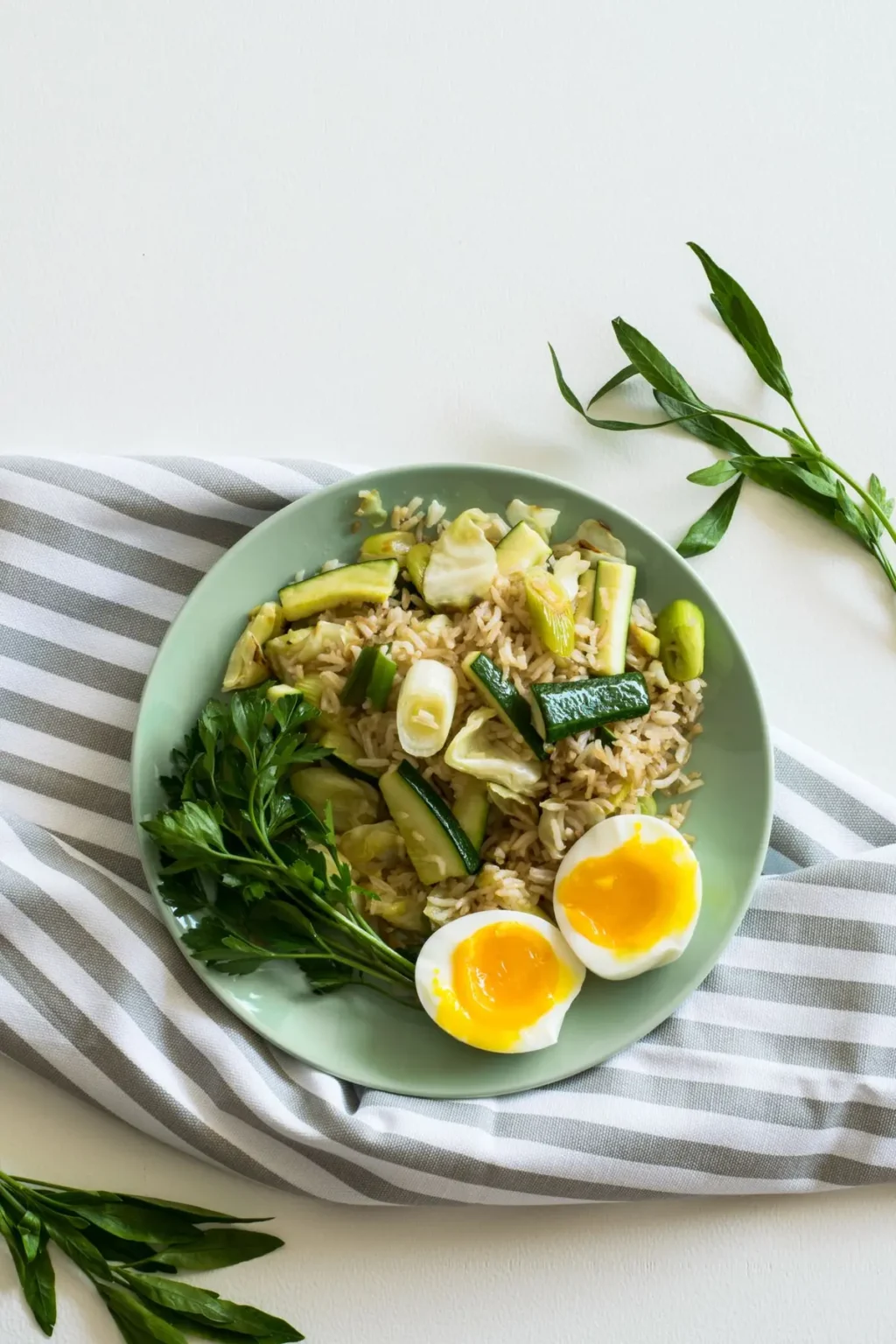
A batch of perfect boiled eggs is one of the easiest meal-prep wins, because the eggs are already cooked, portable, and portioned. I keep a dozen in the fridge most weeks, and they become breakfasts with a pinch of salt, sliced eggs on toast or avocado toast, chopped eggs in salads, egg sandwiches, and quick snacks when I would otherwise reach for something less filling. For salads, a jammy eight-minute egg is ideal: slice it just before serving so the yolk stays creamy. For sandwiches and egg salad, a firm twelve-minute egg chops cleanly and holds its texture when mixed. For ramen or noodle bowls, a six-minute soft egg, peeled carefully and halved, turns a simple bowl into something that feels like a proper meal. One habit that saves time: peel only the eggs you are about to use, and leave the rest unpeeled in their container. Peeled eggs dry out faster and pick up fridge smells, while unpeeled eggs stay fresh and presentable for the full week. That small habit is the difference between eggs you actually eat all week and eggs you throw away on day five.
Mistakes to Avoid Next Time
The mistakes I still see, including in my own kitchen when I rush, are all the same few. Cooking without a timer is the biggest one — ‘about ten minutes’ in a busy kitchen easily becomes fifteen, and fifteen minutes is how you get a grey ring. Not using an ice bath is second: eggs left to cool slowly on the counter keep cooking and stick to their shells. Using the freshest eggs for boiling is third, and it is an easy one to fix by simply using the older carton for boiling and the fresh carton for frying. Overcrowding the pot is fourth, because crowded eggs crack and cook unevenly. And peeling an egg while it is still hot is fifth — hot eggs tear, because the white is still soft and the membrane has not released. Wait for the ice bath to do its work, and the egg will reward your patience.
Learning how to boil eggs perfectly is a small skill with an outsized payoff, because it removes a daily frustration and gives you a reliable, healthy food you can batch-cook in fifteen minutes. Start with the cold-water method, time it properly, cool in ice water, and peel under water — and use slightly older eggs when you can. That is the whole secret, and it works every time I follow it, which is more than I could say for my old guess-and-hope method. Boil a batch this week, keep them unpeeled in the fridge, and see how many meals they quietly improve. Once you have a dozen perfect eggs waiting for you, you will wonder why you ever put up with torn whites and grey yolks. And if your first batch is not perfect, adjust the time by one minute in either direction next time — egg size, altitude, and stove heat all vary slightly, and one minute is usually all it takes to dial in your perfect egg.
Frequently Asked Questions
How long should I boil eggs for a soft yolk?
Simmer large eggs for about six minutes for a runny, soft yolk with a set white, then move them straight to an ice bath for at least ten minutes. For a jammy, medium yolk, use eight to nine minutes instead.
Why do my boiled eggs have a grey ring around the yolk?
The grey-green ring comes from overcooking or slow cooling, when iron in the yolk reacts with sulphur in the white. Shorten the cooking time by a minute or two and cool the eggs immediately in ice water to prevent it.
How do I make boiled eggs easier to peel?
Use eggs that are at least a few days old, cool them fully in an ice bath, crack the shell all over, and peel under water starting from the wide end, where the air pocket sits. Very fresh eggs almost always peel worse than slightly older ones.
How long do hard-boiled eggs last in the fridge?
Hard-boiled eggs keep for up to seven days in the refrigerator, counting from the day you cooked them. Keep them unpeeled in a covered container in the main fridge compartment until you need them, and discard any egg that smells off or feels slimy.
Should I add vinegar or baking soda to the water?
It is optional and helps only slightly, if at all. The bigger factors for easy peeling are using slightly older eggs, cooling fully in ice water, and peeling under water. A small amount of baking soda or vinegar does no harm if you want to try it.
Can I boil eggs in advance for meal prep?
Yes — boiled eggs are ideal for meal prep. Cook a batch, cool them in an ice bath, and store them unpeeled in the fridge for up to a week. Peel only the eggs you are about to eat, so the rest stay fresh and do not dry out.